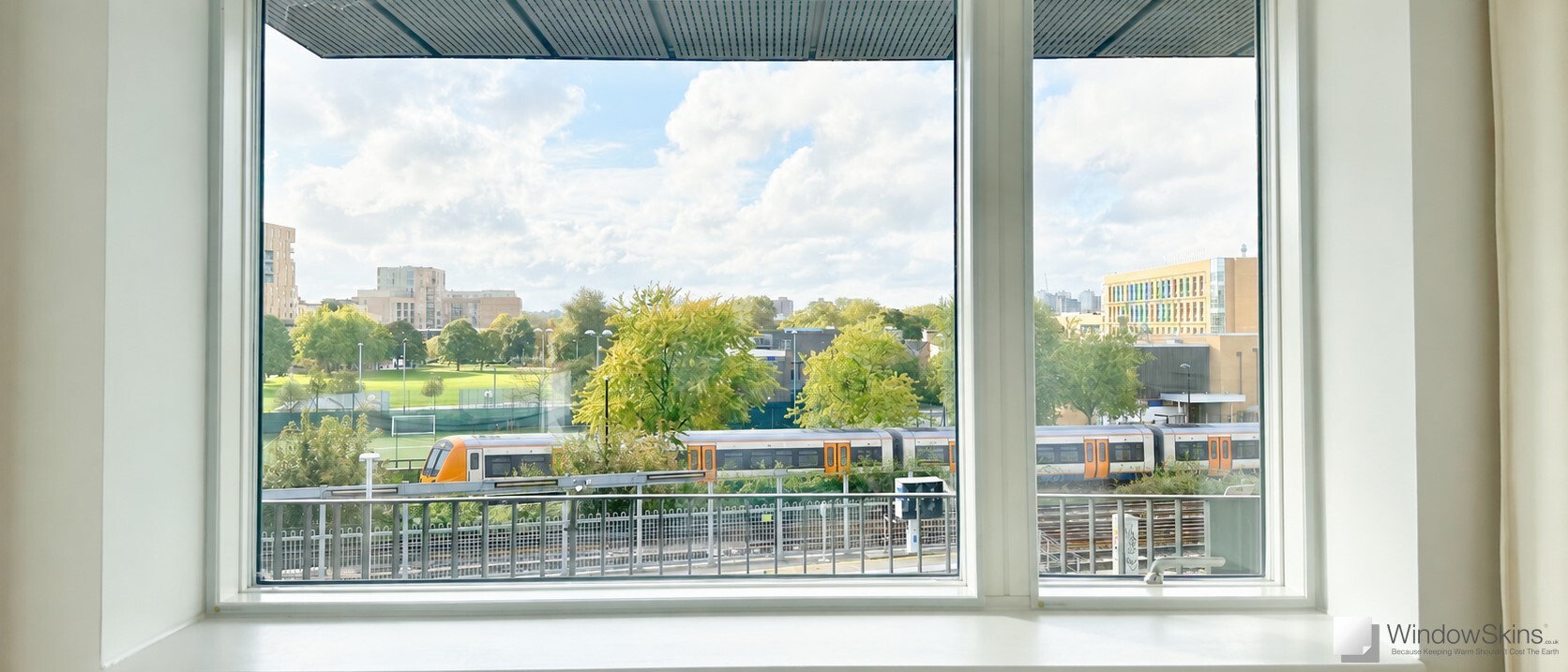
Are you looking to improve the thermal efficiency of your existing double glazed uPVC Windows?
Perhaps you are experiencing problems with noise, or worried about increasingly high energy costs?
Does the thought of buying new uPVC windows fill your pocketbook with dread?
WindowSkins may be the answer.
Retrofit to existing uPVC Windows, they significantly reduce problems related to Cold, Draught, Condensation and Noise.
WindowSkins converts your existing double glazed uPVC windows into a thermally efficient triple glazed solution, reducing heating costs and improving comfort.
Not just effective, the near-invisible design offers an unrivalled elegance and discreet aesthetic, with no loss of utility.
We offer a comprehensive measure, supply & professional fit service.
As Featured In




Build Specification
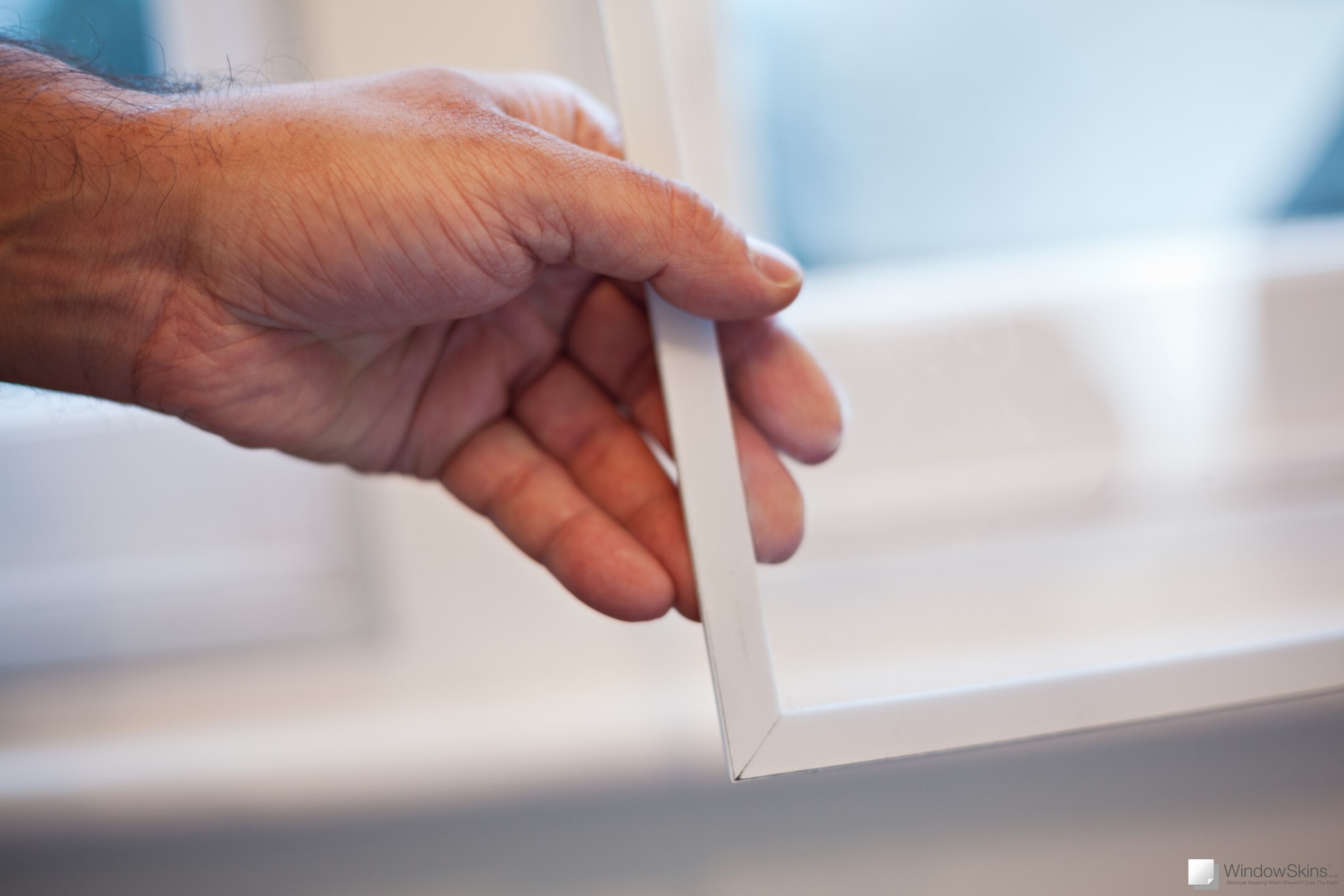
Our magnetic WindowSkins are typically built using 3mm Acrylic XT panels, paired with premium 13mm magnetic tapes.
Every WindowSkin is carefully crafted with exacting mitre joins in each corner, adhered with a premium foam backed TESA adhesive for long lasting use.
Precision laser measuring using our proprietary software solution ensures a perfect fit every time, even for irregular (asymmetrical) shaped windows.
The magnetic system creates an airtight seal, and is easily removed for cleaning and storage.
This significantly reduces the problems of Cold, Draught, Condensation and Noise.
Where noise is of primary concern, we can increase the panel thickness to 4mm.
For Double Glazed uPVC Windows, There Are Three Possible Mounting Points
Inner Placement
(Primary Option)
This is where magnetic tapes are adhered directly on the uPVC frame of the window (or fanlight), nearest the glass.
This is the most discreet option, as the overall size of WindowSkin is minimised with no obvious change in appearance.
It usually remains possible to open the window without requiring removal of the WindowSkin. (Existing locks and handles being often compatible)
The addition of an insulating WindowSkin to double glazed uPVC windows creates a triple glazed effect and, immediately reduces problems related to cold, draught, condensation and noise.
The ‘Inner’ placement is considered the primary and preferred option for uPVC windows. (It assumes that all rubber window seals are in a good state of repair)
‘Inner’ placement retrofits on double glazed uPVC windows benefit from an additional 10% price reduction and, an extended 6 year warranty.
Click here to view ‘Inner Placement’ image examples
Outer Placement
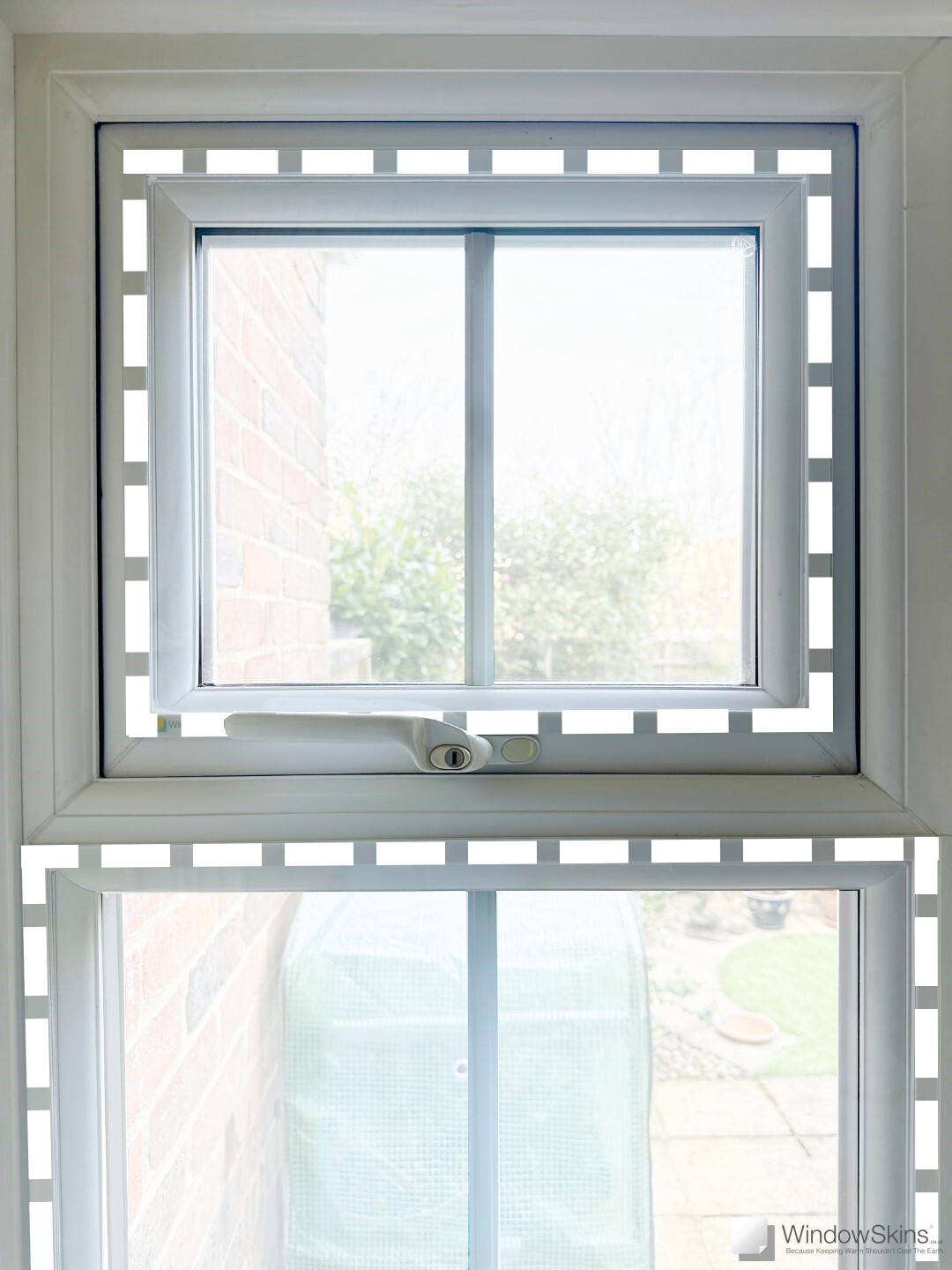
For deep framed (timber or uPVC) double glazed windows, the ‘Outer’ placement paired with 4mm WindowSkin panels are an excellent choice for noise problems in busy urban areas.
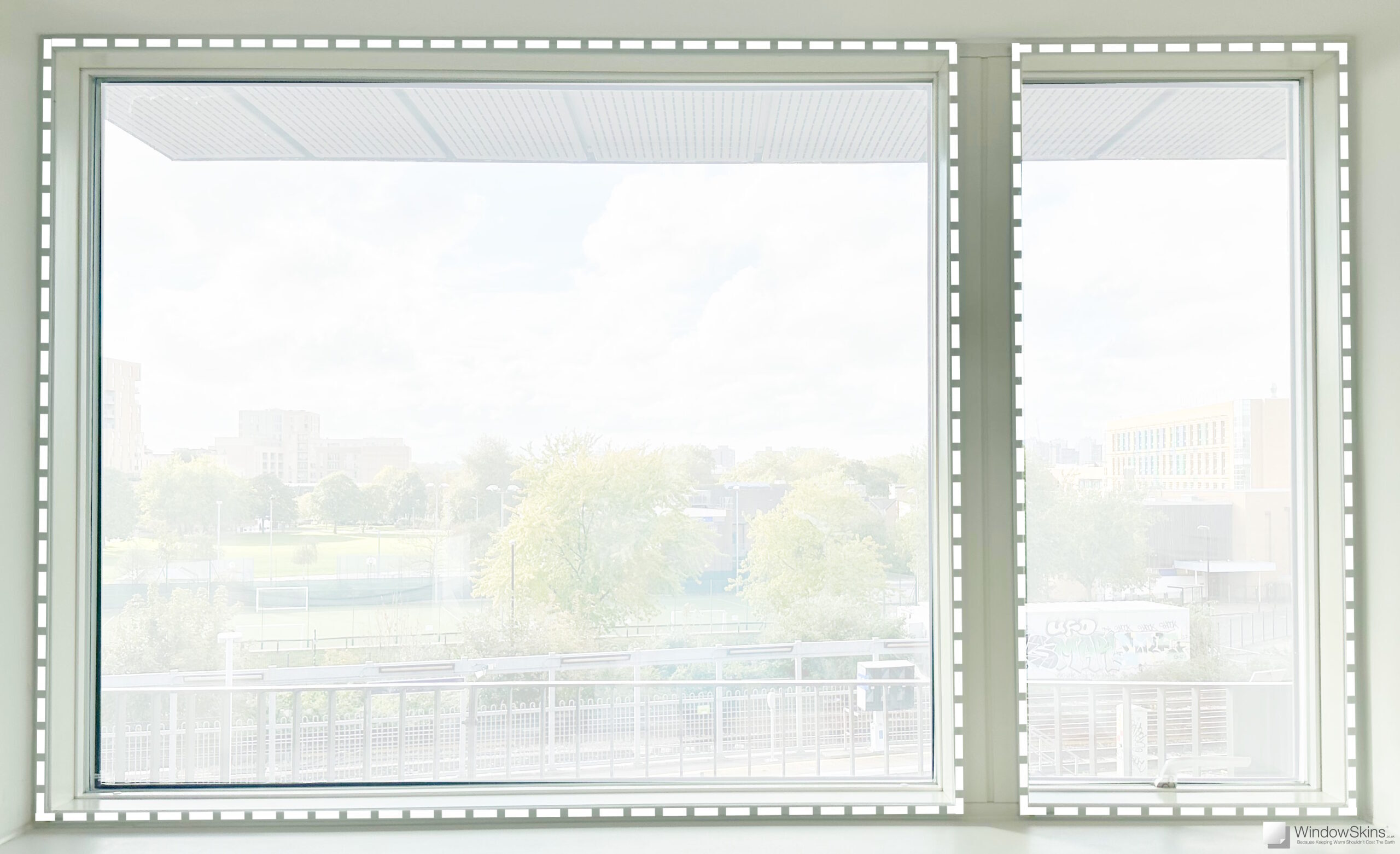
This placement is where magnetic tapes are positioned on the ‘outer’ window frame (nearer the inside edge).
The minimum frame space required for optimal fitting is 18mm and should (ideally) provide clearance of obstructions, especially window handles.
The ‘Outer’ placement is usually the better position for noise reduction as the air gap between glass, panel and total coverage, is maximised.
However, some utility is lost as the WindowSkin panels do need to be removed in order to open the window (this is simple and straightforward).
Paintwork should be in fair condition and the window in a reasonable state of repair.
Click here to view ‘Outer Placement’ image examples
Subframe Placement
For situations where neither ‘Inner’ or ‘Outer’ placements are feasible, we revert back to the ‘Subframe’ placement.
This is where a magnetised subframe is installed to fit against the existing brickwork, sill and lintel – much in the manner of traditional secondary glazing.
The ‘Subframe’ placement is highly effective in reducing noise transmission, primarily due to the large air gap and maximised surface coverage.
Like the ‘Outer’ placement, some utility is lost as the WindowSkin panels do need removal in order to open the window (again, this is simple and straightforward).
It should also be noted that some space will be lost on the window sill.
Wide aperture windows can be constructed as multiple-section vertical split panels for added convenience.
Subframes can be constructed using PVC or Wood for a longer lasting, premium finish.
PVC Subframes are available in White or Teak, but can be painted or vinyl coated to a colour of your choice.
Click here to view ‘Subframe Placement’ image examples
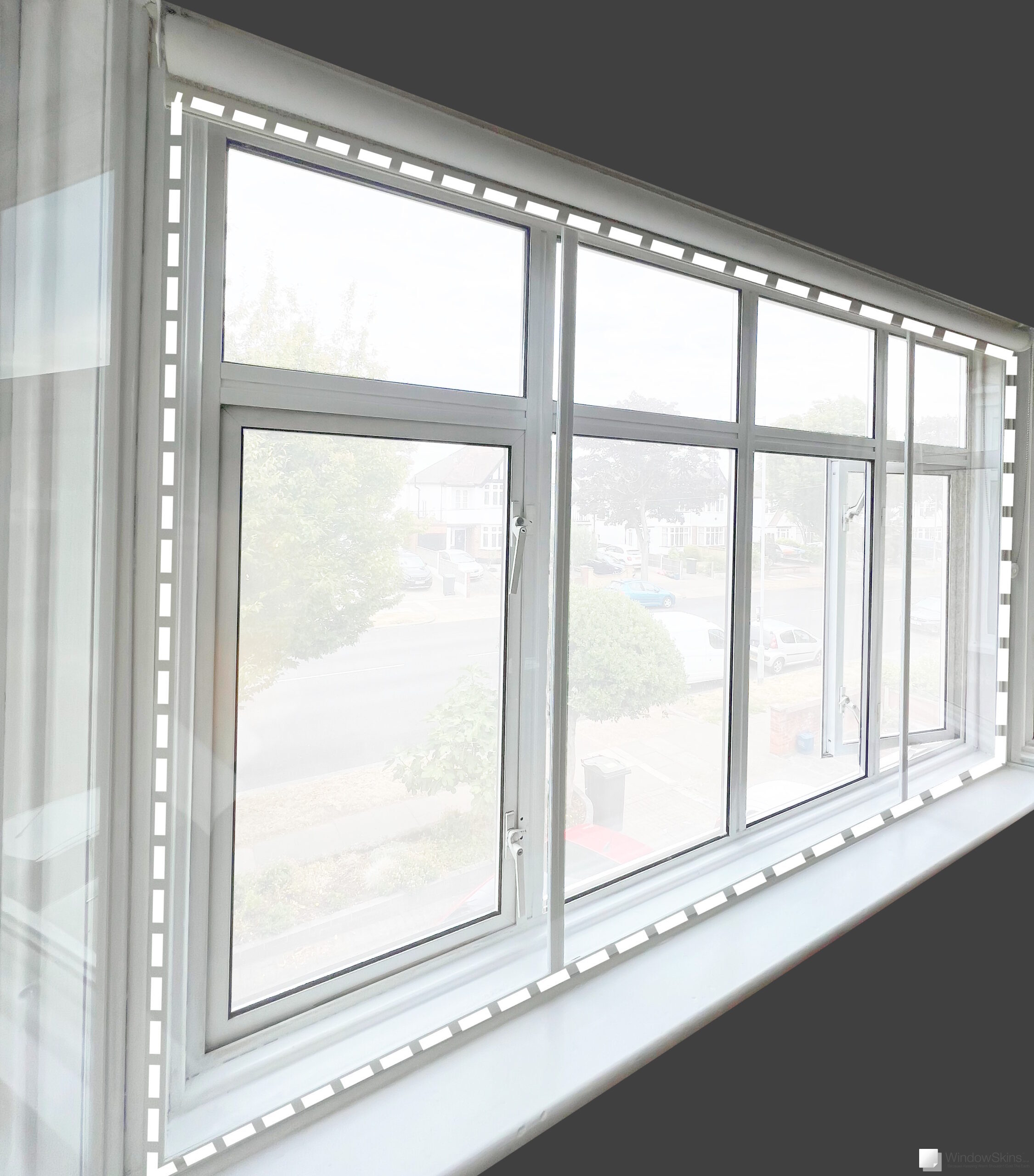
Regardless of placement, all three options are effective at reducing problems related to cold, draught, condensation and noise
Panel Layout
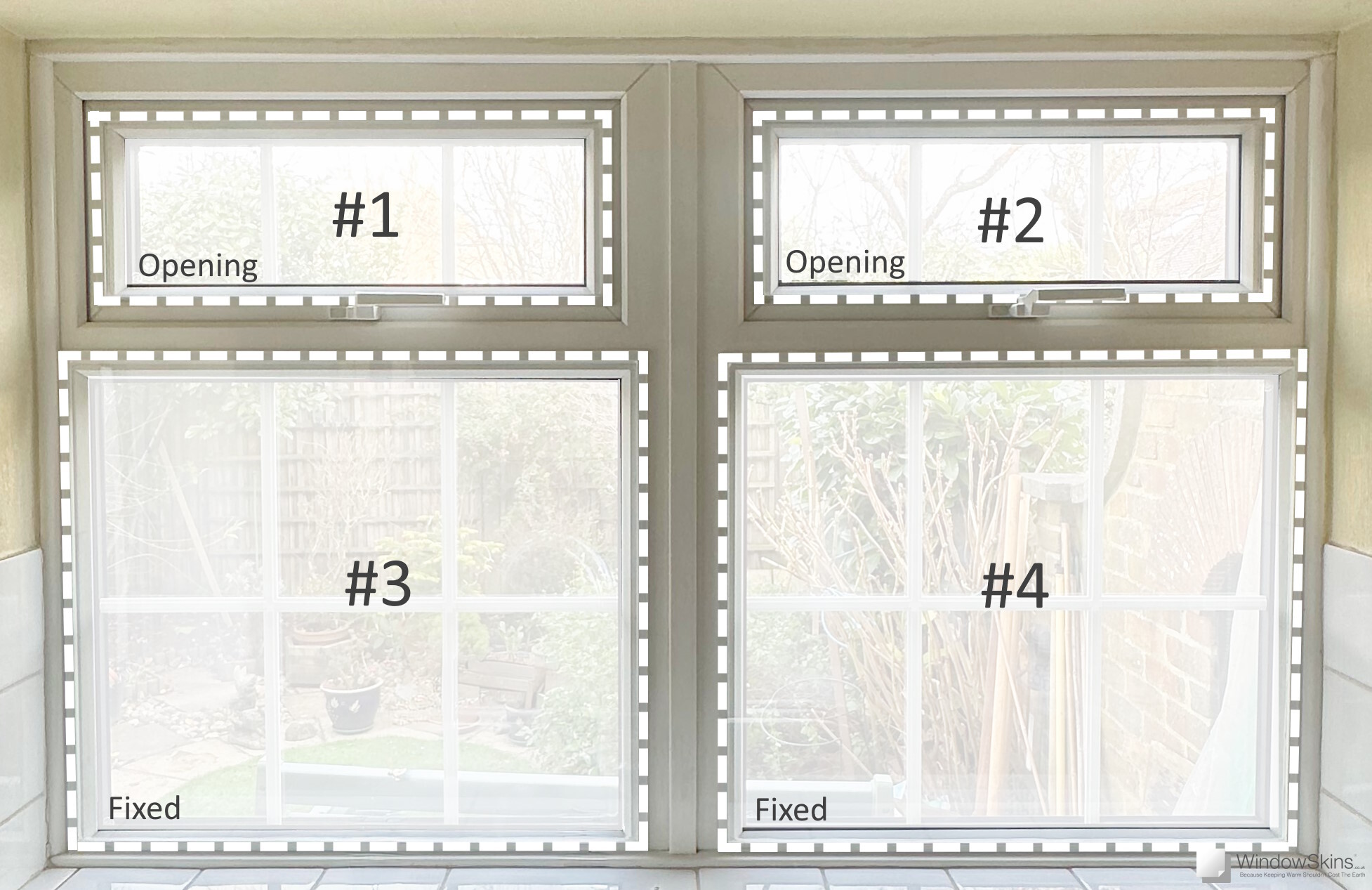
For double glazed uPVC casement windows, as standard, we always mirror the window frame layout.
This standard layout offers maximum utility for removal, venting and storage and, enhances the ratio of magnetism to surface area.
For wide aperture (Casement style) Subframe and Outer placement fittings, it is possible to construct as multiple-section vertical split panels for added convenience.
For tall aperture (Sash style) Subframe and Outer placement fittings, it is possible to construct as two-section horizontal split panels, again for added convenience.
Obstructions
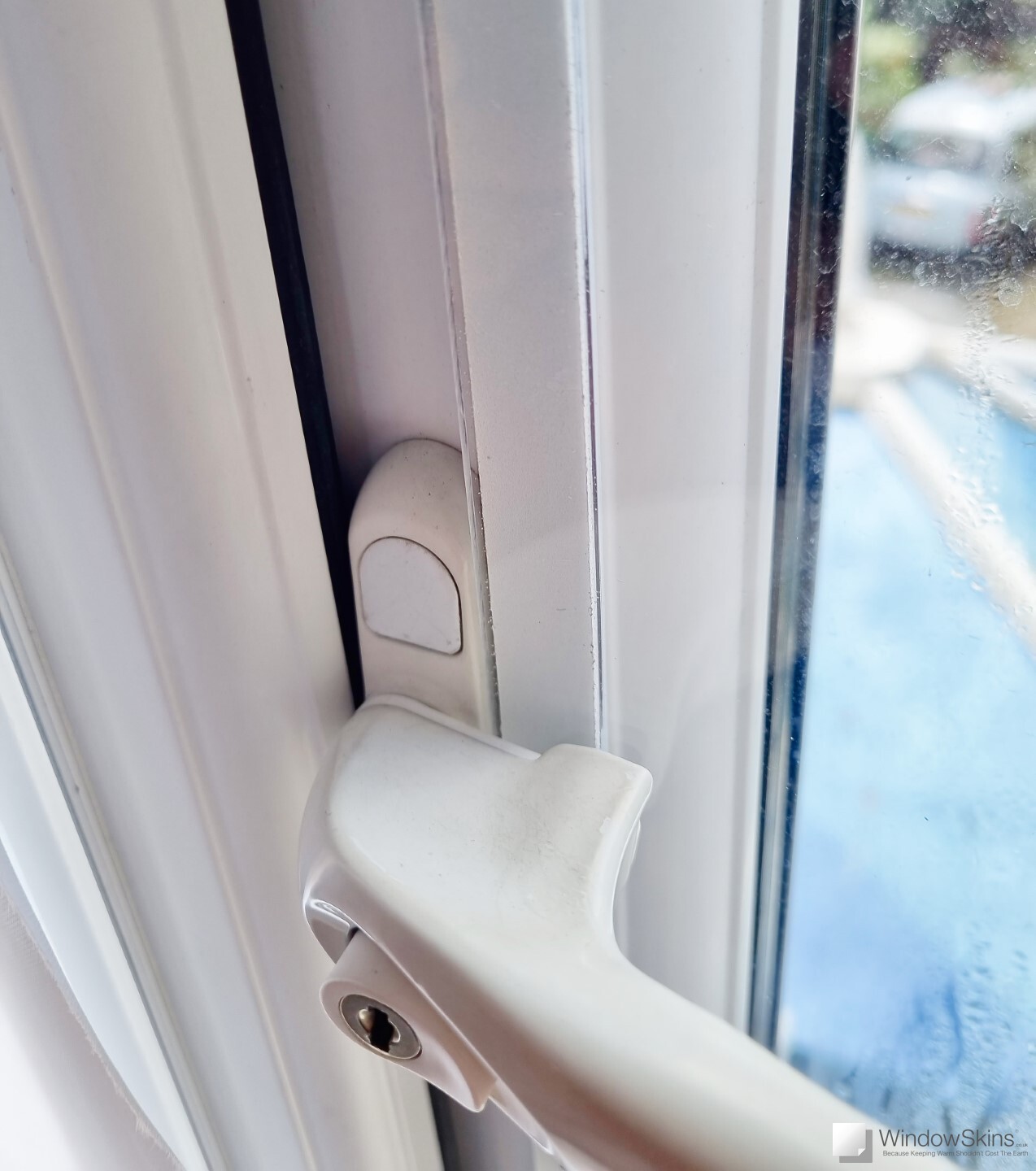
Regardless of obstruction, our specialist expertise provides for a myriad of often simple solutions to seemingly difficult problems.
Typical obstructions are outlined below;
- uPVC Fasteners/Handles: most remain compatible (assuming 6-10mm under clearance).
- Narrow/Uneven Surfaces: where part or all of the window frame is narrow or uneven.
- Trickle Vents: if obstructing, may need full or partial sealing (usually reversible).
- Blinds: generally compatible by remounting the blind bracket on spacers.
- Ironmongery & Locks: usually bypassed, remounted or replaced with a suitable alternative.
- Low Voltage Cables: we usually embed or reposition low voltage cables and junction boxes.
- Alarm Sensors: if obstructing, they may need repositioning by a qualified technician.
Please note that all workarounds are on a best efforts basis so compatibility is not always guaranteed.
Additional Considerations
The remaining aspects of the WindowSkins uPVC triple glazing retrofit share broadly similar characteristics as for Casement & Sash Windows. Click on the subheadings below to read about those common features (opens in a new tab).
For wide aperture (casement style) double glazed uPVC window types, the following items are pertinent;
- Horizontal Split Panels (Outer & Subframe Only)
- Vertical Split Panels (Outer & Subframe Only)
- Storage
- Colour Matching
- Shutters (if applicable)
- Materials (Acrylic XT)
- Noise & Air Pollution
- Irregular (Asymmetrical) Windows (Outer & Subframe Only)
- Curved & Arched Windows
- Care
For tall aperture (sash style) double glazed uPVC window types, the following items are pertinent;
- Secondary Fixings (Outer & Subframe Only)
- Horizontal Split Panels (Outer & Subframe Only)
- Venting (Outer & Subframe Only)
- Storage
- Colour Matching
- Shutters (if applicable)
- Materials (Acrylic XT)
- Noise & Air Pollution
- Irregular (Asymmetrical) Windows (Outer & Subframe Only)
- Curved & Arched Windows
- Care
Convert your existing uPVC windows to triple glazing
Arrange Your Free Quote Today
We are confident you will love your new WindowSkins – so why wait?
Arrange a free no obligation quote and soon you too can enjoy the comforts of a warmer, quieter home.
WindowSkins – Because Keeping Warm Shouldn’t Cost the Earth…
